Wir garantieren dir den günstigsten Preis. Wenn du einen günstigeren Preis für diesselbe Sprachreise innerhalb von 48 Stunden woanders finden solltest, werden wir dir die Differenz erstatten. Details anzeigen
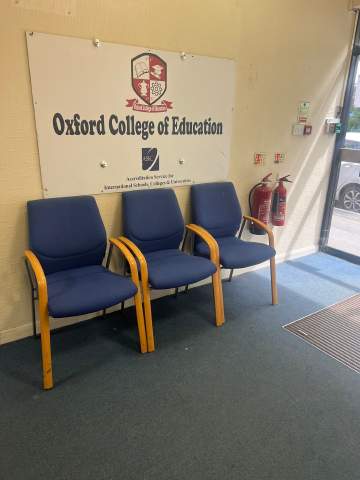
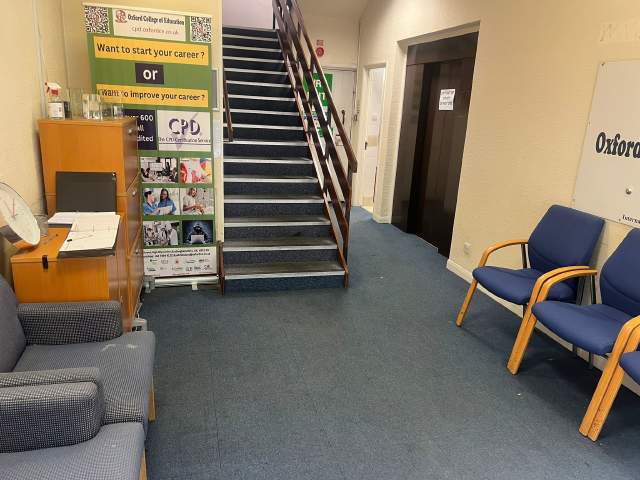
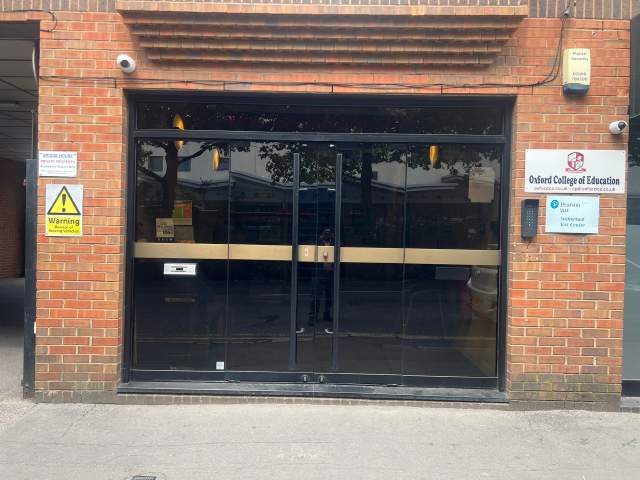
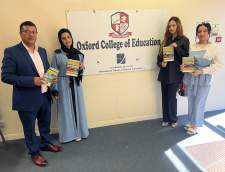
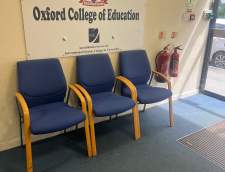
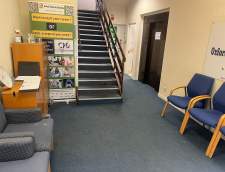
Oxford College of Education Bridge House, 56 Bridge St, High Wycombe, High Wycombe, Buckinghamshire HP11 2EL, UK
1 lesson per week (jede Kurseinheit entspricht 60 Minuten)
Unterrichtstage
Montag - Sonntag
Der Stundenplan kann sich aufgrund der aktuellen Verfügbarkeit und Saison ändern.
Kursbeschreibung
(Translated by Google Translate)
Teaching Assistant Certification Level 2
Are you a school administrator looking to upgrade standards or develop skill sets within new starters? This course is designed to provide teaching assistants who are already in the classroom or new starters with everything they’ll need, in order to succeed at supporting educators, as well as students.
Using a series of 20 modules, this course programme will give teaching assistants the confidence and tools you want in your classroom, while giving you peace of mind that students are receiving a UK-standard education. Best of all, no prior experience is required, in order to get started!
What’s Covered in the Course?
Have a look at just some of the material covered within the 20 modules:
An overview of what a teaching assistant is, their role in a classroom and how the role is evolving;
An understanding of the school system as a whole, including management hierarchy, national curriculum and the various types of schools found within the UK;
How to provide the best support – best practices, class preparation, understanding and dealing with student behaviour and how to create learning environments;
Legal issues in the classroom, such as school policies, ensuring child welfare, health and safety rules and regulations and student confidentiality;
How to improve literacy and numeracy, including alternative tools, the importance of the National Curriculum and how teaching assistants can support teachers in these areas;
How to provide assistance to students with learning disabilities and inclusive learning strategies;
A focus on integrating ESL children, building effective learning environments and understanding the challenges that these students may have;
Behaviour management, including proactive solutions, how to encourage personal development and understanding these negative behaviours;
An overview of parental engagement, focusing on why it is important, common barriers and how it can improve lifelong learning;
Curriculum delivery under the direction of the teacher, including understanding different learning styles, the role of the teaching assistant in activity planning and delivery, working efficiently and as part of a team and relationship building.
What are the Benefits of the Course?
Here are the benefits of taking the course:
It can be completed anywhere, be it during downtime in the classroom or from the comfort of your staff’s own home;
Your staff can set the pace, with the easy-to-follow course structure;
The course material focuses on UK standards, meaning that the knowledge acquired relates directly to your classroom, as opposed to just instead of just generic information;
The recognised certification can be used as a promotional tool, to provide parents with the reassurance that their children are attending a quality educational establishment;
As they are completed, the modules can be applied to the classroom environment;
There are no prerequisites required, in order to get started.
Modules
Module 1: Introduction to Special Education Needs
– To understand Special Educational Needs
– To understand who may have Special Educational Needs
– To understand the most common learning disabilities that you may face in the workplace
– To know and understand the characteristics required to work in this field
Module 2 : The History and Evolution of SEN
– To learn and understand the legal definition of special education needs
– To learn and understand the legal definition of disability
– To learn how SEN education has evolved since the 19th century
– To learn about the importance of the inclusion-exclusion debate
Module 3 : Constructivist Theories of Learning
– To understand the theory of constructivism and how it can be applied in the classroom
– To know the role of the teacher and the role of the student within a constructivist classroom
– To understand the theory of social constructivism and know how it can be applied within a classroom
– To be able to compare and contrast constructivism with social constructivism
Module 4 : SEN Code of Practice and Its Implementation in England
– To learn what the UK SEN Code of Practice is
– To understand who the SEN Code of Practice applies to
– To learn about the key points of the SEN Code of Practice
– To understand ways to implement the SEN Code of Practice
Module 5 : SENCO Support for SEN Students
– To understand who the SENCO is and what their role entails in a school setting
– To know what SEN Support is
– To be able to identify the steps required in making a plan to meet the pupil’s educational needs
– To know the definitions of leadership and inclusion, and be able to apply each of these qualities in a school setting
Module 6 : The Different Types of Needs
– To be able to define autism, and know the ways that you can accommodate its needs
– To understand what a severe learning difficulty is, and how its needs can be accommodates
– To know how a specific learning difficulty differs from a severe learning difficulty, and understand how it can be accommodated in the classroom
– To be able to identify the different types of physical difficulty, and how each can be accommodated in the classroom and school environment
Module 7 : Identification, Assessment and Support of SEN Pupils
– To learn how to identify SEN pupils
– To learn about the support children may require by age
– To learn how to assess SEN pupils
– To learn how to create a support plan for SEN pupils
Module 8 : Behaviours: Reasons and Restorative Practices
– How to manage your time at work efficiently
– To have the ability to identify the different factors that can affect a student’s emotional behaviours
– To understand the consequences of bad behaviour and be able to identify their underlying elements
– To know the recommended methods for teaching social skills, and how they can be applied in the classroom
Module 9 : Understanding Sensory Impairments and Physical Disabilities
– To learn about different physical disabilities
– To learn about different sensory impairments
– To learn when these impairments and disabilities can be identified
– To understand how educators can support disabilities and impairments
Module 10 : Understanding and Addressing Difficulties in Cognition and Learning
– To be able to identify the things that cognition is responsible for in our daily lives
– To understand the concept of cognitive development and have a basic understanding of the stages introduced in this module
– To be able to apply your knowledge of cognition to the special education needs environment, and associate the relationship between the two
– To know the different types of cognitive disabilities, and how you can accommodate them in the classroom
Module 11 : Speech, Language, and Common Communication Issues
– To learn what speech, language, and communication are
– To learn about different needs and difficulties in speech, language and communication
– To learn how to support the needs of pupils with difficulties in communication
– To learn how to foster clear communication in the classroom as a whole
Module 12 : Learning Difficulties: Autism
– To be able to define autism for what it is and how it is experienced by individuals who have it
– To know the difficulties that can be experienced by autistic people, as well as the common characteristics that are exhibited
– To understand the diagnosis process for autism
– To understand what the main causes for behaviours in autistic individuals are, as well as the best ways to deal with difficult behaviour
Module 13 : Learning Difficulties : Dyslexia
– To learn what dyslexia is
– To understand some of the primary difficulties dyslexic learners face
– To learn different methods for supporting learners in literacy
– To learn different methods for support learners in numeracy
Module 14 : Learning Difficulties: Dyspraxia
– To understand what dyspraxia is and know the areas of life that it can affect for an individual
– To know how dyspraxia is diagnosed
– To be able to identify the signs and symptoms of the condition
– To understand how the condition affects an individual’s brain
Module 15: Learning Difficulties: Attention Deficit Hyperactivity Disorder (ADHD)
– To learn what ADHD is
– To learn the causes and treatments for ADHD
– To learn about the identification of pupils with ADHD
– To learn about ways to support pupils with ADHD in the classroom
Module 16: The Importance of SEN Knowledge
– To understand what SEN knowledge is
– To understand how SEN knowledge is disseminated to educators
– To understand the three levels of recommended SEN knowledge
– To understand why SEN knowledge is important
Module 17: Specific Learning Difficulties
– To be able to define what a specific learning difficulty is
– To compare and contrast dyslexia, dyscalculia, and dysgraphia, and be able to understand what each of the disorders implies
– To understand the limitations of dyspraxia and the different diagnoses
– To know the characteristics of Asperger’s syndrome, how it differentiates from autism, and the difficulties experienced from this disorder
Module 18: Psychological Perspectives on Behaviour
– To learn what the psychological perspectives on behaviour are
– To learn the differences and similarities between the perspectives
– To understand how to apply the perspectives in the classroom
– To understand how different intervention methods apply to specific perspectives
Module 19 : Understanding and Managing Anger
– To be able to define anger, and understand its causes and ways of expression
– To know how anger can be a prominent characteristic in special education needs settings, and the approach you should have towards it
– To understand the different methods of anger management, and know the appropriate situations to use each given method
Module 20 : Teaching Approaches and Strategies
– To learn approaches and strategies for communication and interaction
– To learn approaches and strategies for cognition and learning
– To learn approaches and strategies for behaviour, emotional and social difficulties
– To learn approaches and strategies for physical and sensory disabilities
Module 21 : Educational Outcomes
– To understand the definition of an educational outcome and what it means in terms of a student’s learning capacity
– To know how to assess a limitation and evaluate an educational environment in order to predict the educational outcome of a student
– To be able to relate the dimensions of wellbeing to educational outcomes, and understand how these dimensions can affect such outcomes both positively and negatively
– To know the different ways to target these dimensions in order to facilitate an improvement upon them
Module 22 : Every Teacher’s Responsibility
– To learn about the different responsibilities a teacher has at school
– To understand what role teachers play in different areas of the school
– To understand the importance of the SENCO role
– To learn about the management of resources and finances
Niveau des Sprachkurses
Alle Sprachniveaus, Anfänger bis Fortgeschrittene
Sie werden am ersten Tag einen Einstufungstest in der Schule machen. Sie können diesen Test auch vor Ihrer Ankunft in High Wycombe machen.
Klassengröße
Durchschnitt
12 Studenten
Maximum
15 Studenten
Alter der Sprachschüler
Altersdurchschnitt
16 - 35 Jahre alt
Durchschnitt
19 Jahre alt
Zertifikat
Ein Zertifikat wird am Ende des Sprachkurses ausgestellt.
Weiterlesen...
school
Lage der Sprachschule
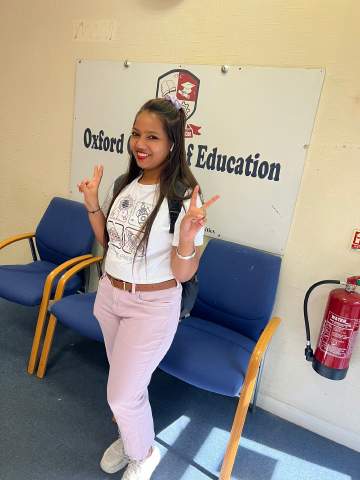
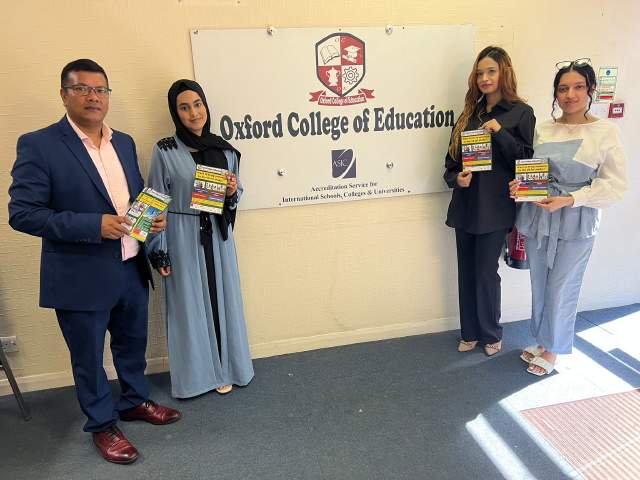
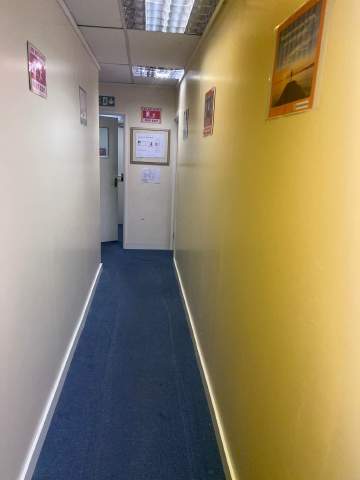
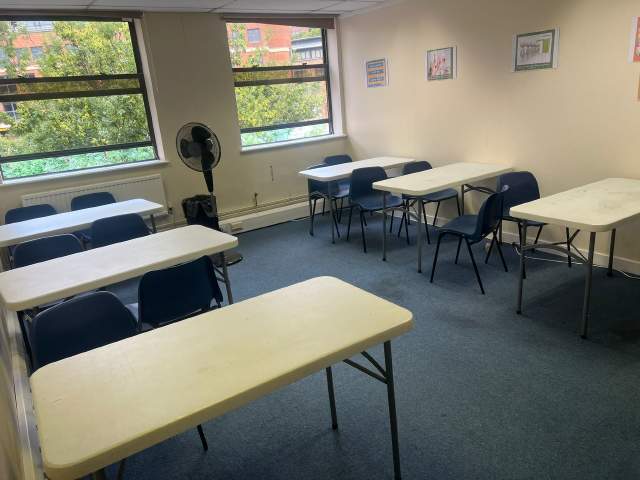
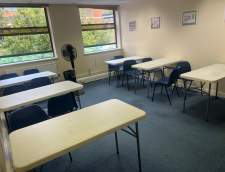
OCE befindet sich im Herzen von High Wycombe und ist einer der beliebtesten Schulen in England. Die Schule ist spezialisiert auf Englisch Kurse für ausländische Sprachschüler, wie Sie. Die Klassegröße ist auch sehr klein im Vergleich zu anderen Schulen. Sie haben auch sehr freundliche Lehrer und Mitarbeiter, die sich während Ihres Aufenthaltes gut um Sie kümmern werden.
Gründungsjahr
2017
Anzahl der Klassenzimmer
6
Akkreditierungen
Ausstattung
Bibliothek
Aufzüge
Rollstuhlgerecht
Essbereich
Kostenloses Internet
WLAN
Computers
Seminare nach dem Unterricht
Lernbereich
Audio Lernen
Lehrer Qualifikationen
Muttersprachler in Englisch
Über 50%
zertifizierte Englisch Lehrer
Über 50%
Teachers with college degrees
Über 50%
Nationalitäten- und Altersmix
Der Nationalitäten- und Altersmix bei Oxford College of Education hängt von den Kursen, Sprachniveaus, und der Saison ab. Das Durchschnittslater ist ganzjährig 19 Jahre. Im Sommer ist das Durchschnittslater 19 Jahre
Schulferien
OCE bietet keine Sprachreisen während der unten genannten Ferienzeit an, bitte wählen Sie einen anderen Starttermin aus.
Offene Termine
Ganzjährig
Schulferien
Keine
Weiterlesen...
photos
Bilder
Oxford College of Education1/10
Oxford College of Education2/10
Oxford College of Education3/10
Oxford College of Education4/10
Oxford College of Education5/10
Oxford College of Education6/10
Oxford College of Education7/10
Oxford College of Education8/10
Oxford College of Education9/10
Oxford College of Education10/10
visa
Visum
Leider können wir für Sie kein Visum beantragen. Falls Sie ein Visum benötigen, kann Ihnen die Schule alle nötigen Unterlagen einschließlich der Annahmebestätigung und Quittung über die Zahlung der Gebühren zuschicken.
EU-Bürger brauchen kein Visum, um in Großbritannien zu studieren. Falls Sie kein EU-Bürger sind und ein Visum benötigen gilt Folgendes: wenn Sie mehr als 11 Monate in Großbritannien studieren, erhalten Sie eine Referenznummer genannt Confirmation of Acceptance for Studies (CAS), die Sie in der britischen Botschaft zusammen mit dem General Student Visa Antrag einreichen müssen. Personen, die einen Sprachkurs gebucht und bezahlt haben, erhalten ein CAS von OCE. Bitte beachten Sie, dass das britische Recht besagt, dass ein CAS nur an Studenten, die die englische Sprache für über 11 Monate lernen möchten, ausgestellt werden kann.
Wenn Sie für 11 Monate oder kürzer in Großbritannien studieren, müssen Sie ein besonderes Besuchervisum genannt Student Visitor Visa beantragen. Sie dürfen mit diesem Visum während des Studiums nicht in Teilzeit arbeiten. Ein Letter of Acceptance wird kostenlos an Ihre Heimatadresse geschickt.
Please note that we do not book flights for our students. If you are researching airfare costs, we recommend using Kayak.com, a search engine that lets you compare flight options from your home country to High Wycombe based on your budget, schedule and preferences.
Reiseversicherung
Sorglos im Ausland studieren mit einer Kranken- und Reiseversicherung von Language International. Wenn Sie einen Kurs bei uns buchen, können Sie auch eine international gültige Versicherung buchen, die nicht nur Ihre Kosten im Krankheitsfall deckt, sondern auch den Verlust Ihres Gepäcks. Sie müssen Ihre Versicherung im voraus bei Ihrer Anmeldung buchen.
Haben Sie noch Fragen? Erhalten Sie Antworten von unseren Sprachreisenberatern und den Mitarbeitern und früheren Studenten des Oxford College of Education.